

From manufacturing hub to design powerhouse: Toys can become ambassadors of India’s values
Design Dolls Challenge began with a simple but urgent question: who tells India’s story to its children today?, says Ankita Mehra, co-founder, Aara Play
Ankita Mehra, co-founder, Aara Play
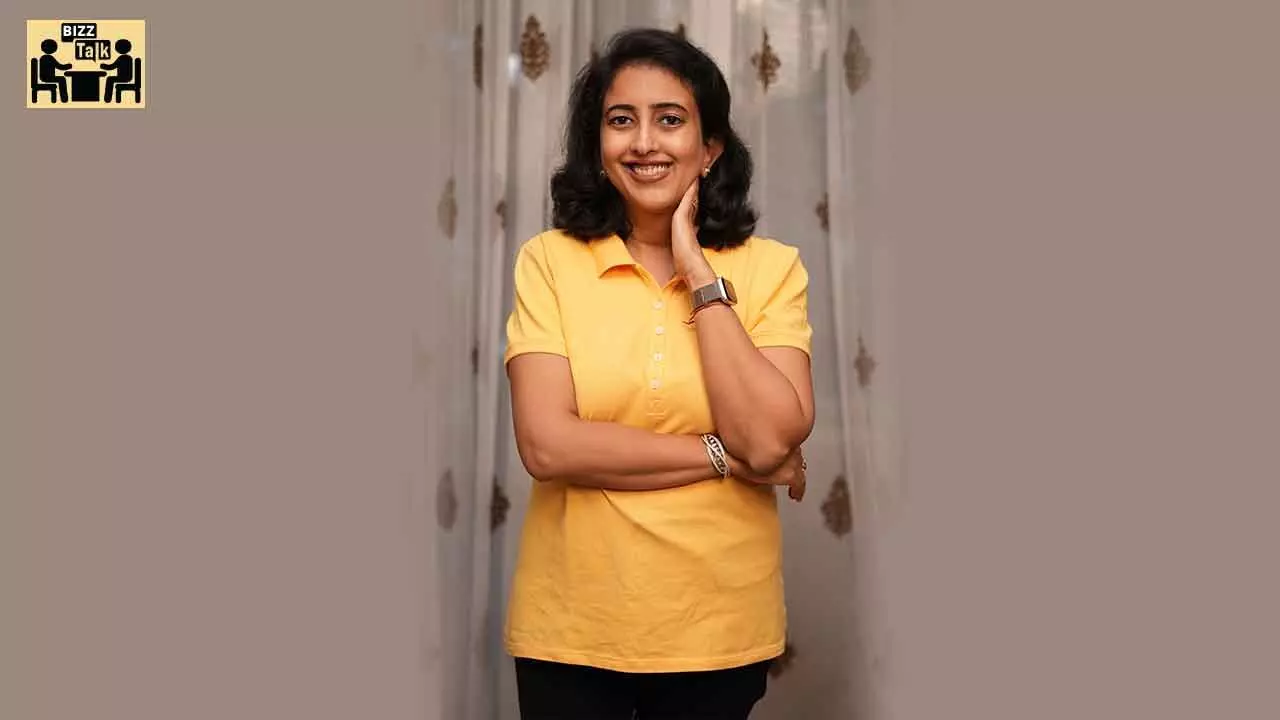
For decades, we have manufactured the world’s toys. “India has the talent, stories, and the confidence to export original intellectual property, not as replicas but as creators”, says Ankita Mehra, co-founder, Aara Play in an exclusive interaction with Bizz Buzz.
“From a design perspective, dolls are deceptively complex. They demand empathy, storytelling, form, function, and emotion. Designing a doll is not about decoration- it is about representation. And representation especially in a young nation like ours, matters deeply,” she says
Why dolls matter in shaping identity and creative expression?
Dolls are often a child’s first silent companion. They listen, they observe, and they reflect. When a doll looks like you, speaks your cultural language, or mirrors your world, it quietly affirms: You belong. From a design perspective, dolls are deceptively complex.
They demand empathy, storytelling, form, function, and emotion. Designing a doll is not about decoration- it is about representation. And representation especially in a young nation like ours, matters deeply.
What is the role of mentorship and industry exposure in empowering young talent?
Talent in India is abundant; guidance is often not. Mentorship is not about giving answers it is about asking better questions. Through industry exposure, students begin to understand that good design is not just expressive, but responsible.
When young designers see how ideas translate into products, systems, and livelihoods, something shifts. Creativity becomes purposeful. Confidence becomes grounded.
How the challenge gives students exposure to commercial design thinking?
In the real world, design does not exist in isolation. It lives alongside cost, safety, sustainability, and scale. The challenge encourages students to think beyond aesthetics to consider manufacture ability, materials, user experience, and long-term relevance.
This is not about limiting creativity; it is about sharpening it. Constraints, after all, are where good design learns discipline.
How can one bridge the gap between classroom design education and real-world product creation?
Classrooms are wonderful places to imagine freely. The market, however, demands responsibility. Our challenge acts as a bridge between these two worlds.
Students experience what it means to design for real children, real parents, and real production environments. They learn that design is not finished when the sketch is done, it begins there.
How design-led toy brands are shaping the future of the industry?
The future of the toy industry is not louder toys or faster gadgets; it is meaningful play. Design-led brands focus on narrative, emotion, sustainability, and cultural relevance.
As India moves from being a manufacturing base to a design powerhouse, toys can become ambassadors of our values, curious, thoughtful, and proudly Indian.
Why Aara Play chose a design challenge format instead of a closed design lab?
Innovation does not thrive behind closed doors. India’s strength lies in its plurality of thought. By opening the design process to students, schools, and independent creators, we are not outsourcing creativity we are honouring it. A challenge format allows India’s collective imagination to participate. And frankly, that is far more powerful than any single studio could be.
How the contest democratizes creativity?
Creativity does not ask for degrees; it asks for curiosity. This challenge is open by design. Whether you are from a premier institute or a small-town school, if you have an idea, you have a voice. In a modern India, opportunity should not be gated. It should be earned through imagination and effort.
Why India is ready to export original IP in toys?
For decades, we have manufactured the world’s toys. Today, we are ready to design them. India has the talent, stories, and confidence to export original intellectual property, not as replicas, but as creators. A nation that is comfortable with its identity is ready to share it with the world. We are at that moment.
How design competitions bridge academic learning and professional opportunities?
Competitions like this act as rehearsal spaces for real careers. They allow students to test ideas, receive feedback, and understand professional expectations without fear of failure. In many cases, they become launchpads not just for products, but for people.
How can we see design thinking as a problem-solving tool?
Design thinking is not about making things pretty. It is about understanding people, systems, and consequences. In this challenge, students are encouraged to design with empathy for children, parents, society, and the planet. This mindset is essential if we want innovation that serves India, not just sells to it.
What makes this challenge different from conventional design competitions?
Most competitions end with certificates. This one begins with a purpose. Winners don’t just walk away with prizes, they become part of a real brand’s journey, credited for shaping a future product. This is not a showcase of talent it is an invitation to nation-building through design.
What is the vision behind the Design Dolls Challenge and the role of play in cultural storytelling?
At Aara Play, we believe play is not frivolous, it is formative. Long before children read textbooks or understand geopolitics, they understand stories through play. The Design Dolls Challenge was born from a simple but urgent question: Who is telling India’s story to its children today?
If we want to build a confident, modern India, we must start by shaping how our children see themselves. Dolls are cultural storytellers in disguise. Through this challenge, we invite young designers to tell contemporary Indian stories rooted in pride, diversity and optimism, through the language of play.





